How to Style Your Garden for Spring: Arches, Benches & Planters
How to Style Your Garden for Spring: Arches, Benches & Planters
Spring is the season of renewal, and there's no better time to reimagine your garden's layout and style. Whether you're working with a compact courtyard or a sprawling lawn, the right combination of structural elements and furniture can transform your outdoor space into a sophisticated retreat. Here's your comprehensive guide to styling your garden for spring using three essential elements: arches, benches, and planters.
Start with Structure: Garden Arches as Focal Points
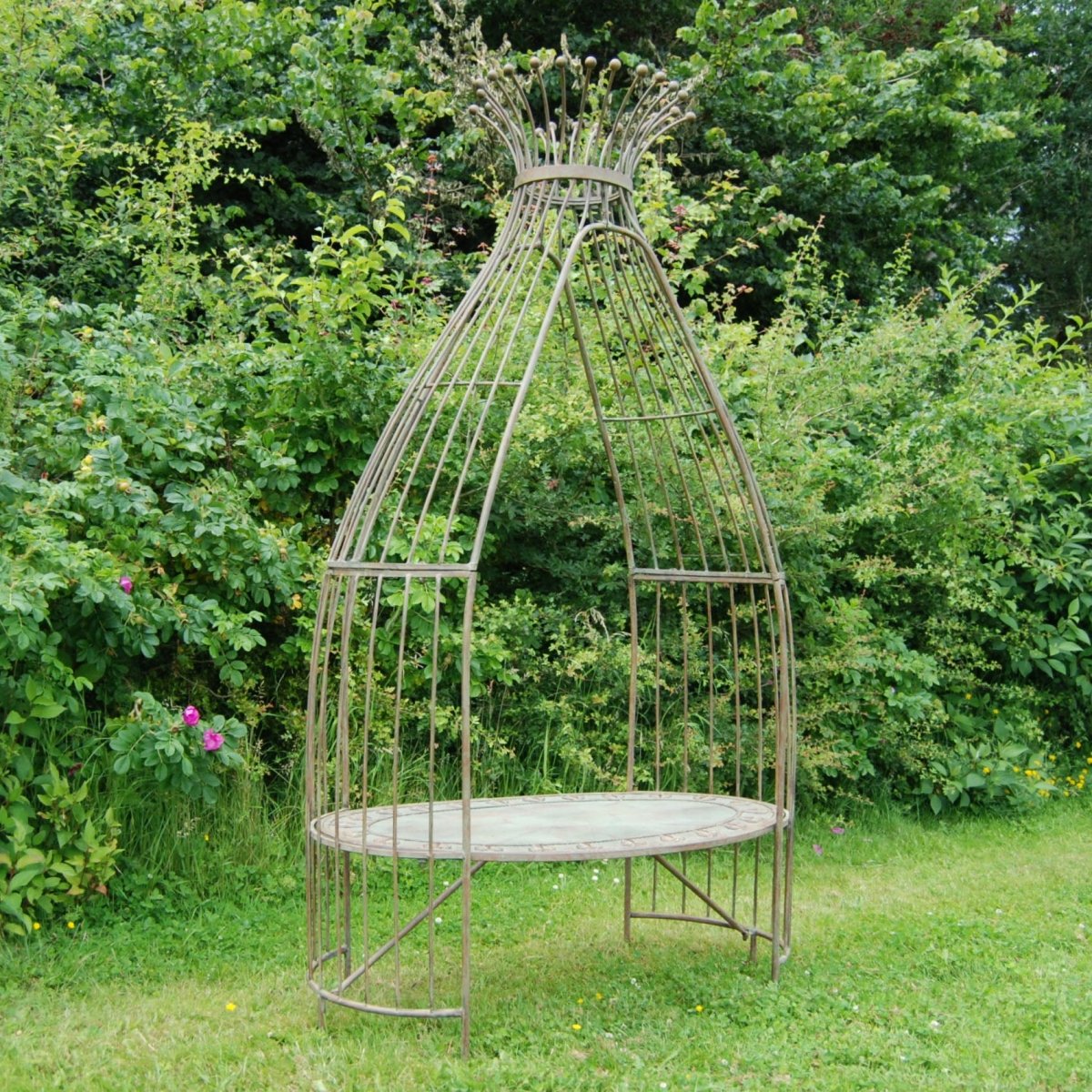
Garden arches are the unsung heroes of garden design. They create instant architecture, draw the eye upward, and provide a framework that gives even new gardens a sense of maturity and purpose.
Placement Strategies
The key to using garden arches effectively is thoughtful placement. Position an arch to frame a view—whether that's a beautiful tree, a seating area, or simply the best aspect of your garden. Arches work beautifully as thresholds between different garden 'rooms', creating a sense of journey and discovery even in modest spaces.
For maximum impact, place your arch where it will be viewed from your main living spaces. An arch positioned at the end of a sight line from your kitchen or sitting room window becomes a year-round focal point, beautiful in all seasons.
Planting Your Arch
While a well-designed arch is attractive bare, it truly comes into its own when clothed with climbing plants. For spring interest, consider early-flowering clematis varieties like Clematis montana, which produces masses of pink or white flowers in April and May. Climbing roses are classic choices that will provide structure in winter and abundant blooms from late spring through summer.
Don't feel pressured to cover your arch completely - allowing the structure to show through creates a more sophisticated look than completely obscuring it with foliage.
Creating Destinations: The Art of Bench Placement
A garden bench is more than seating—it's an invitation to pause, observe, and enjoy your outdoor space. The difference between a bench that gets used daily and one that becomes a plant stand often comes down to placement.
The Morning Sun Spot
Identify where morning sun falls in your garden and position a bench to capture it. There's something particularly special about morning light in a garden, and a bench positioned to catch those first rays becomes a natural spot for morning coffee or quiet contemplation.
The Conversation Corner
If you have space, consider positioning two benches at right angles to create an intimate conversation area. This arrangement feels more intentional than scattered seating and encourages actual use of your garden furniture.
The View Bench
Place a bench to face your garden's best feature—whether that's a beautiful border, a specimen tree, or simply the most attractive aspect. This creates a purposeful viewing point and makes your garden feel more designed.
Styling Around Your Bench
Don't leave your bench isolated. Frame it with planting—perhaps a pair of substantial planters on either side, or position it against a backdrop of evergreen shrubs. Add a small side table within reach for practicality. These touches transform a bench from furniture into a genuine outdoor room.
Planters: Flexible Design Elements
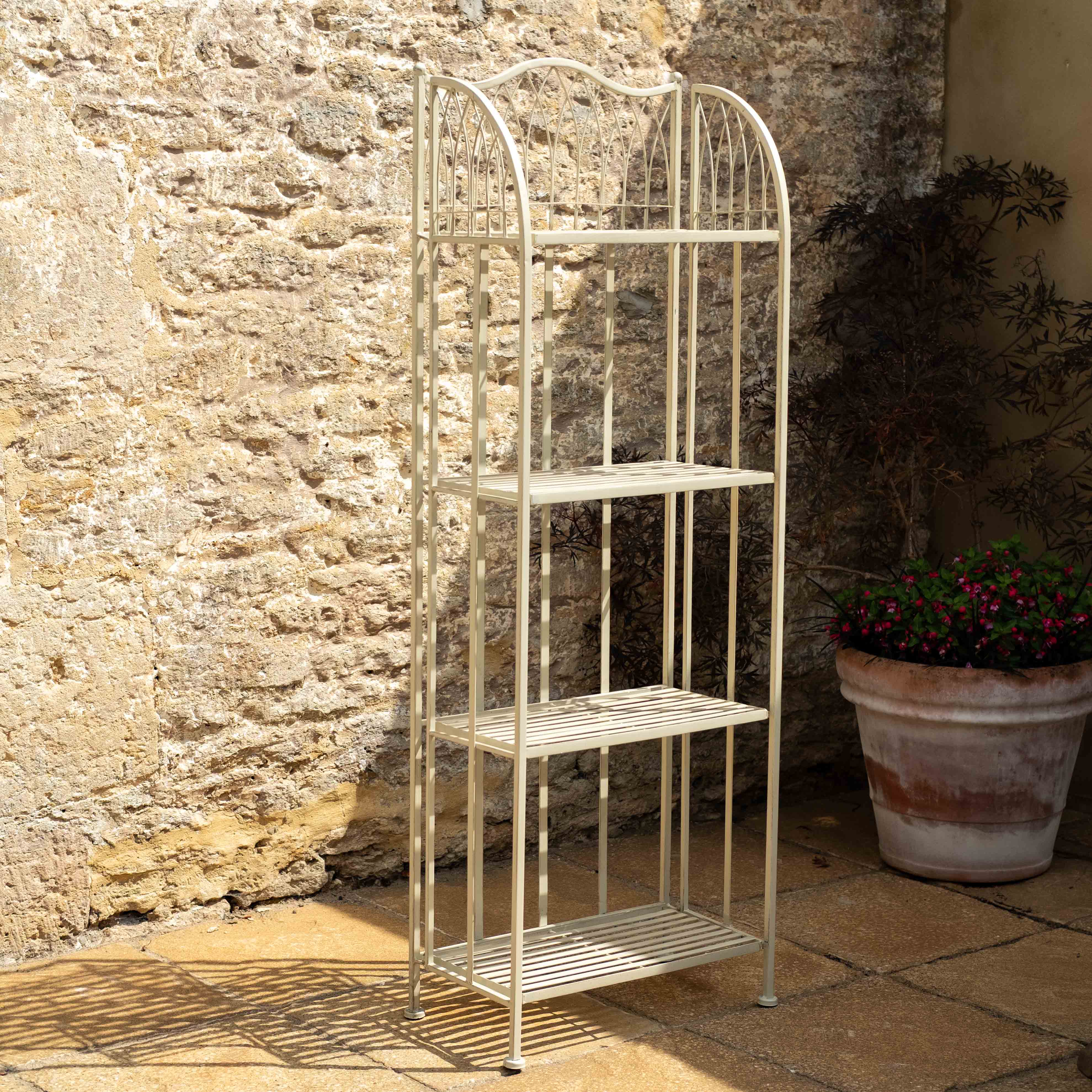
Planters are your secret weapon for creating instant impact and seasonal flexibility. Unlike in-ground planting, containers can be moved, refreshed, and rearranged as your garden evolves.
The Power of Scale
One of the most common mistakes in container gardening is choosing planters that are too small. Substantial planters make a much stronger design statement and are actually easier to maintain—larger volumes of compost retain moisture better and provide more root space for plants to thrive.
As a rule, bigger is almost always better when it comes to planters. A single large container will have more impact than several small ones, and it's easier to create a cohesive look.
Grouping for Impact
When using multiple planters, group them in odd numbers—three or five containers of varying heights creates a more dynamic composition than even numbers. Vary the heights by using plant stands or upturned pots as risers, or simply choose planters of different sizes.
Keep your planter materials consistent within a grouping. Mixing too many different styles creates visual chaos rather than interest.
Spring Planting Schemes
For spring, embrace the season's natural palette. Combine spring bulbs like tulips and narcissi with early perennials such as primulas and violas. Add trailing ivy or small evergreen shrubs for structure that will carry through beyond the spring season.
Don't be afraid of single-variety plantings—a large planter filled with a mass of one type of tulip can be more striking than a mixed scheme.
Strategic Placement
Use planters to: - Frame doorways and entrances - Flank seating areas - Create focal points at the end of paths - Soften hard landscaping like patios and decking - Add height and interest to flat areas - Define boundaries between different garden zones
Bringing It All Together: A Cohesive Garden Style
The secret to successful garden styling is creating relationships between elements. Your arch, benches, and planters shouldn't exist in isolation—they should work together to create a cohesive whole.
Material Harmony
Choose materials that complement each other and your home's architecture. If you have a traditional property, classic materials like wrought iron and aged wood will feel appropriate. For contemporary homes, clean-lined metal and composite materials might be more suitable.
You don't need everything to match exactly, but there should be a thread of consistency—perhaps all your metal elements are in the same finish, or your planters share a similar style even if they're different sizes.
Creating Sight Lines
Think about how elements relate to each other visually. An arch might frame a bench in the distance. Planters can lead the eye along a path toward a focal point. These visual connections make your garden feel intentional and well-designed.
Layering Heights
A successful garden uses all three dimensions. Arches provide height, benches operate at mid-level, and planters can work at various heights depending on their size and placement. This layering creates depth and interest.
Practical Considerations for UK Gardens
Weather Resistance
British weather is notoriously unpredictable, so choose furniture and structures that can withstand rain, wind, and occasional frost. Quality materials that weather gracefully are worth the investment—they'll look better over time rather than deteriorating.
Maintenance
Consider how much maintenance you're willing to commit to. Some materials require regular treatment, while others are virtually maintenance-free. Be honest about your available time and choose accordingly.
Seasonal Flexibility
While this guide focuses on spring styling, think about how your choices will work year-round. Structural elements like arches and benches should look good in all seasons. Planters give you the flexibility to change your scheme with the seasons while maintaining your garden's overall structure.
Getting Started This Spring
You don't need to implement everything at once. Start with one element—perhaps a statement arch or a well-placed bench—and build from there. Gardens evolve over time, and the best designs develop gradually as you understand how you actually use your space.
This spring, focus on creating one area of your garden that's truly functional and beautiful. Once you have that foundation, you can expand and refine your design in future seasons.
Explore our collections of outdoor benches, planters, and outdoor furniture to find pieces that will form the foundation of your spring garden style.
Ready to transform your garden this spring? Browse our curated selection of garden furniture and structures designed for British gardens and built to last.